How to Cook Perfect Pelmeni: A Complete Guide
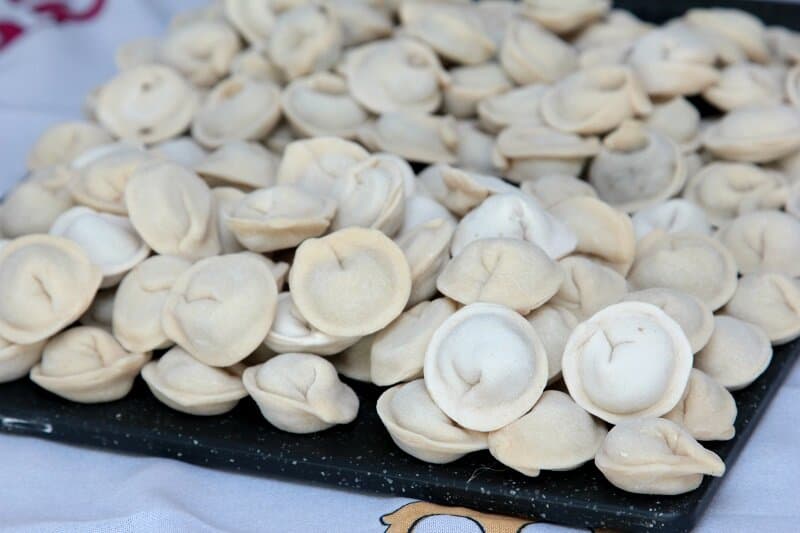
Pelmeni are Russia's most beloved comfort food — small meat-filled dumplings that have been a staple in Russian homes for centuries. Simple to cook, deeply satisfying, and endlessly versatile.
In this guide, you will learn exactly how to cook pelmeni properly, the right toppings, and how to avoid the common mistakes that ruin them.
What Are Pelmeni?
Pelmeni (пельмени) are traditional Russian dumplings with a thin unleavened dough wrapper and a savory meat filling. They are not the same as Polish pierogi (which are thicker and often stuffed with potato or cheese) or Chinese dumplings (which use different dough and seasonings). Pelmeni are their own thing — lighter dough, smaller size, almost always meat-filled.
Origins: Pelmeni originated in Siberia, where the harsh winters made them practical. Families would make hundreds at a time and leave them outside to freeze solid — the original deep freeze. They would last through the winter and cook in minutes from frozen.
The name comes from Komi and Udmurt languages (пельнянь) meaning "ear bread" — a reference to the ear-like pinched shape of each dumpling.
Traditional filling: The classic recipe uses roughly equal parts beef and pork, combined with finely grated or minced onion, salt, and black pepper. The fat in the pork keeps the filling juicy during boiling. Nothing else — no garlic, no herbs, no spices. The simplicity is the point.
How to Cook Pelmeni
Method 1: Boiling (Traditional)
This is how pelmeni have been cooked in Russian homes for generations.
What you need:
- Large pot with at least 3 quarts of water
- 1 tablespoon salt
- Bay leaf and a few whole peppercorns (optional but traditional)
Steps:
- Bring salted water to a full rolling boil
- Drop pelmeni in one at a time, or add a handful gently
- Stir immediately to prevent them from sticking to the bottom
- Watch for them to float — this takes about 2-3 minutes
- Cook for 4 to 5 more minutes after they float (5 to 7 for larger or very full pelmeni)
- Remove with a slotted spoon, not a colander (draining in a colander tears the dough)
How to know they are done: The dough turns slightly translucent and pelmeni wrinkle slightly when you lift them. If in doubt, pull one out and cut it — the filling should be fully opaque and no longer pink.
Cook in batches of 15-20. Overcrowding drops the water temperature and causes uneven cooking.
Method 2: Pan-Fried (Crispy)
Boiling is standard. Pan-frying is the upgrade.
- Boil pelmeni until just done — slightly undercook them at the boiling stage
- Heat 2 tablespoons of butter in a skillet over medium-high heat
- Add pelmeni in a single layer — do not stack
- Fry 2-3 minutes per side without moving until golden brown
- Finish with a small handful of fresh dill
The result: crispy, slightly caramelized exterior with a juicy interior. Many people prefer this method once they try it.
Method 3: In Broth (Soup Style)
Particularly good in fall and winter.
- Prepare a simple chicken or beef broth — store-bought is fine
- Bring to a gentle simmer (not a full boil)
- Cook pelmeni directly in the broth until done
- Serve in bowls, ladle over additional broth
- Top with fresh dill and a spoonful of smetana
The broth absorbs some of the meat juices from the pelmeni. It becomes better than a plain broth.
Traditional Toppings
The classic serving is simple: pelmeni in a bowl with a large spoon of smetana (sour cream) and fresh dill. That is the standard.
Other traditional options:
- Melted butter — drizzled over the bowl, simple and rich
- White vinegar — a few drops for tangy contrast, traditional in Siberia
- Fried onions — caramelized onions on top add sweetness and depth
- Mustard — sometimes served alongside rather than on top
What is not traditional: tomato sauce, cream sauce, or anything that would mask the filling flavor. Pelmeni are not pasta.
Common Mistakes
Overcooking — The dough gets waterlogged and the filling goes dry. Once they float, 4 to 5 minutes is all they need — a little longer for big ones.
Boiling from thawed — Pelmeni freeze beautifully and should be cooked directly from frozen. Thawing makes the dough sticky and difficult to work with.
Crowding the pot — The water temperature drops, timing becomes unreliable, and pelmeni stick together. Cook in batches.
Cold smetana — Take it out of the fridge 10-15 minutes before serving. Room-temperature smetana melts slightly over the hot pelmeni and coats them better.
Storing and Reheating
Refrigerator: Cooked pelmeni keep for 2-3 days. Reheat by pan-frying in butter — this is better than boiling them again.
Freezer: Uncooked pelmeni freeze perfectly. Spread on a baking sheet to freeze individually, then transfer to a bag. Cook directly from frozen, adding a minute or two to the boiling time.
Frequently Asked Questions
How long do you cook frozen pelmeni? Give them 4 to 5 minutes after they float, 5 to 7 for larger ones. Do not thaw first — cook directly from frozen.
Can you bake pelmeni? Yes. Boil first until just done, then arrange in a baking dish with smetana and grated cheese. Bake at 400°F for 15-20 minutes until the top is golden. This is called zapechennye pelmeni and works especially well as a make-ahead dinner.
How many pelmeni per serving? About 15-20 for adults as a main course. 8-10 as a side or starter.
What is the difference between pelmeni and vareniki? Pelmeni traditionally have meat fillings. Vareniki commonly have potato, sauerkraut, tvorog, or cherry fillings. Both can be sold frozen and uncooked; follow the cooking instructions on your package.
Fresh Pelmeni at Kalinka Euro Market
At Kalinka Euro Market in Battle Ground WA, pelmeni are made in-house — our specialty. Not packaged from a factory bag — hand-made in our own kitchen with pork and beef filling. Pick up a container, boil when you get home.
813 W Main St UNIT 110, Battle Ground, WA 98604 Open daily 10 AM – 8 PM 15 minutes from Vancouver WA, 25 minutes from Portland
Related Articles
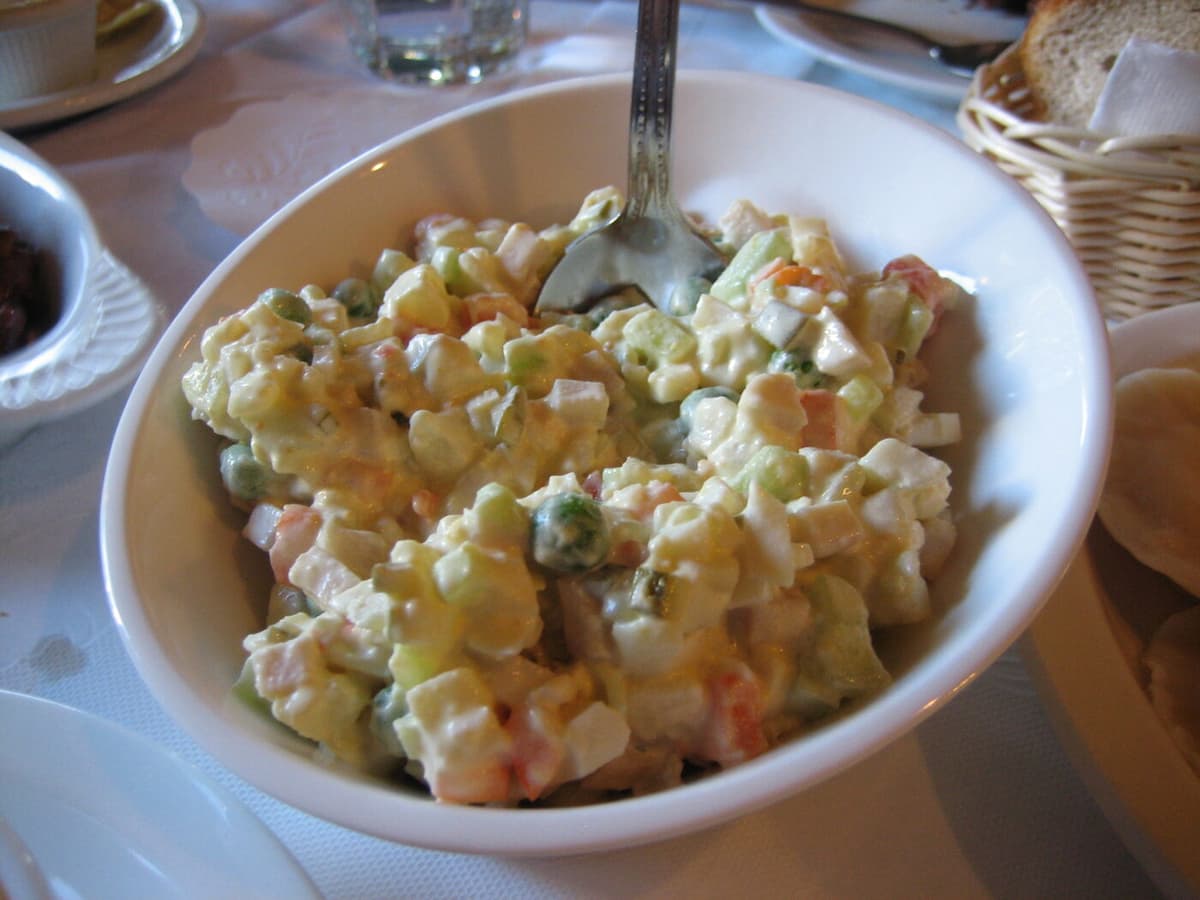
The 4 Russian & Ukrainian Holiday Salads You'll See on Every New Year's Table
Olivier, Herring Under a Fur Coat, Vinegret, and Mimosa are the salads that make a Slavic holiday spread feel complete. Here's what's in each one, where they came from, and how to get them near Vancouver WA.
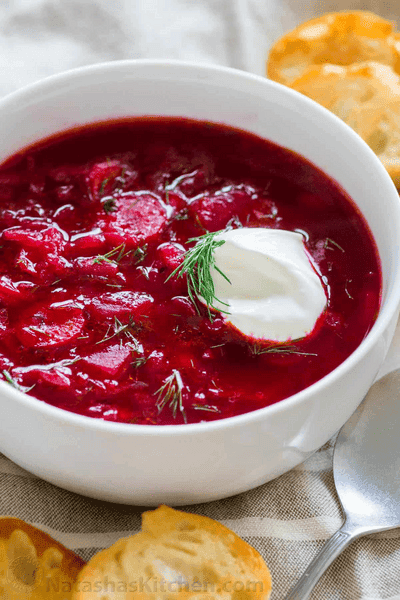
How to Make Authentic Borscht: The Classic Eastern European Beet Soup
Learn to make rich, vibrant borscht from scratch using traditional Eastern European methods. Step-by-step recipe with tips on keeping that beautiful deep red color.
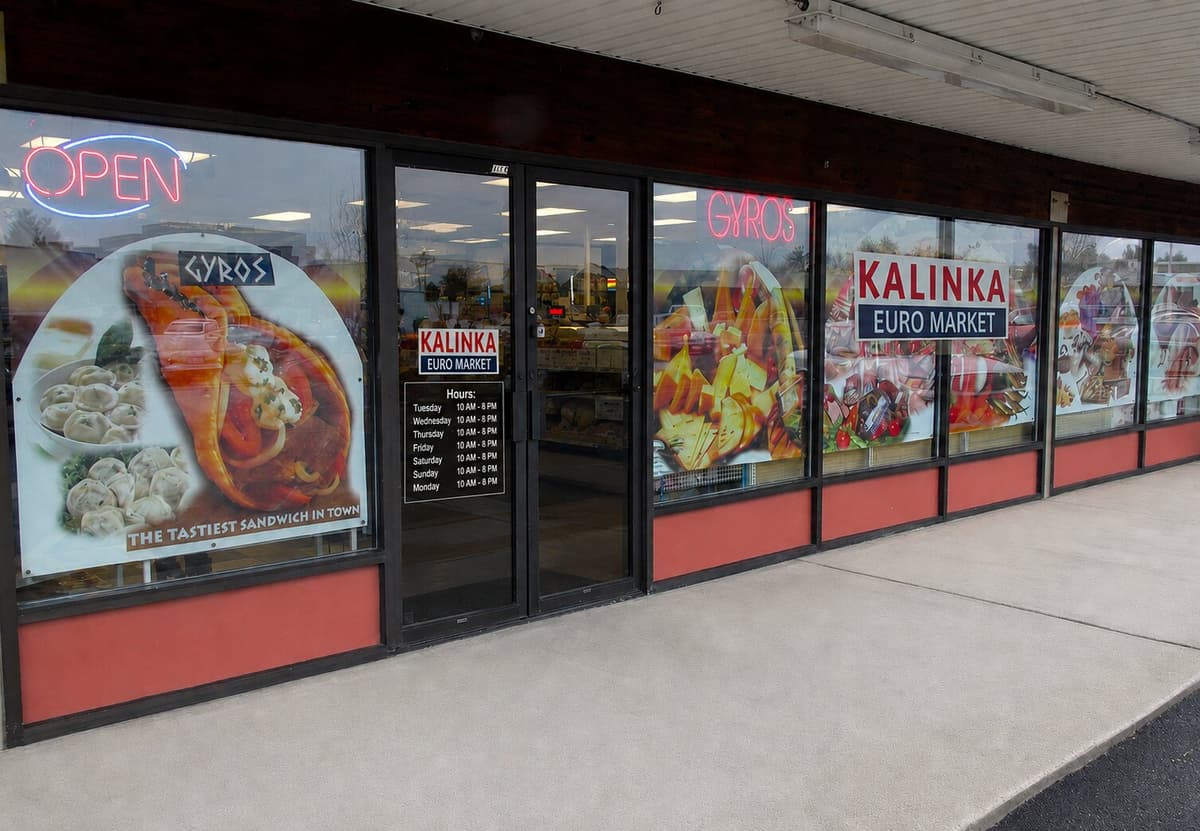
Your First Visit to Kalinka Euro Market: What to Try, What to Buy
Walking into a European grocery store for the first time can feel overwhelming. Here's exactly what to look for—and what regulars always grab—at Kalinka Euro Market in Battle Ground.
Ready to Cook Something Delicious?
Visit Kalinka Euro Market for authentic Eastern European ingredients, fresh house-made pelmeni, and expert advice.