Russian Pickles & Fermented Foods: A Complete Guide
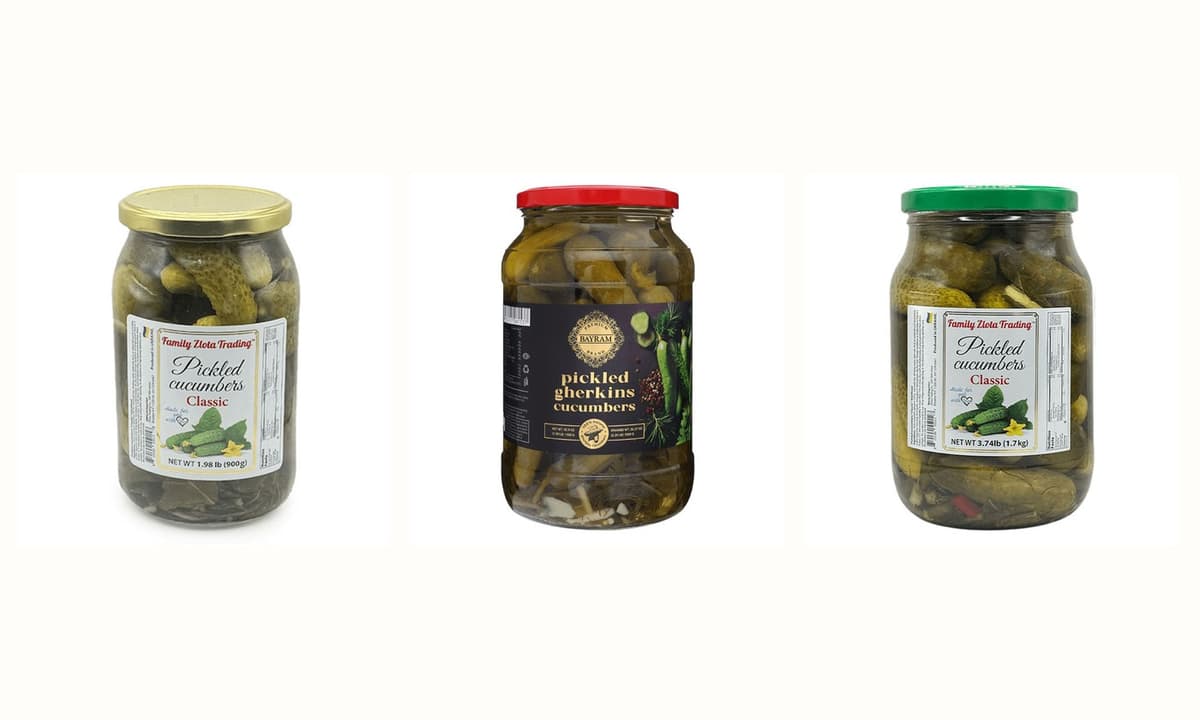
Fermentation is central to Eastern European food culture — not as a trend, but as a centuries-old preservation method that became deeply embedded in daily cooking. Before refrigeration, families preserved vegetables through cold winters using salt, water, and time. The results — tangy pickled cucumbers, sauerkraut, fermented dairy — became staples that persisted long after refrigerators arrived, because people actually prefer the taste.
At Kalinka Euro Market, we carry a full range of Eastern European fermented and pickled products. Here is what each one is and how to use it.
Russian Pickled Cucumbers (Солёные огурцы)
The single most important condiment in Russian cooking. These are not American dill pickles.
The critical difference: American dill pickles are preserved in vinegar (acetic acid fermentation or just vinegar brine). Russian pickles are naturally lacto-fermented — packed in salt water with garlic, dill, and sometimes horseradish or oak leaves, and allowed to ferment at room temperature for several days before being refrigerated. The process is the same one used to make sauerkraut.
What this means for flavor: Natural fermentation produces lactic acid, which is softer and more complex than vinegar. The cucumbers are tangier, more layered, and less sharp. The garlic and dill flavor permeates throughout rather than just coating the surface.
Texture: Crunchier than vinegar pickles, because lactic acid fermentation preserves the cell structure better.
How to serve them: On the New Year table alongside cold cuts and bread. With boiled or fried potatoes. As a condiment with any meat dish. Chopped into Olivier salad and herring fur coat. As a snack alongside vodka — this pairing is completely standard in Russian drinking culture.
Pickled Tomatoes (Помидоры солёные)
Green or ripe tomatoes fermented in the same style as pickled cucumbers. The fermentation softens the tomatoes while adding deep tang. Green pickled tomatoes are particularly valued — firm, intensely flavored, and a standard element of the Eastern European pickle selection.
Sauerkraut (Квашеная капуста)
Russian sauerkraut uses only cabbage and salt. No vinegar, no added acid. The cabbage is shredded, salted to draw out moisture, and packed tightly. The naturally present bacteria ferment the sugars in the cabbage, producing lactic acid over several days.
Taste: Tangy, with a distinct sour note and a fresh, slightly crisp texture. Less sour than German sauerkraut, more delicate in flavor.
Uses:
- Side dish alongside pork, sausage, or potatoes
- In shchi (sour cabbage soup) — the traditional winter soup
- Squeezed of excess brine and added to stuffed pirozhki filling
- On the New Year table as part of the pickle selection
The brine from sauerkraut is a traditional Russian hangover remedy and general health tonic. It is very high in electrolytes from the salt and contains active cultures.
Pickled Mushrooms (Маринованные грибы)
Wild or cultivated mushrooms preserved in a brine of vinegar, salt, sugar, bay leaves, peppercorns, and dill. The result is tangy, savory, and deeply flavored.
Considered a delicacy and prized at celebrations. The mushroom absorbs the brine flavoring while retaining its texture. Forest mushroom varieties (chanterelles, porcini) are the most valued.
How to serve: Cold, directly from the jar. On zakuski platters alongside pickled cucumbers and sauerkraut. On dark rye bread with butter as an appetizer.
Fermented Dairy
Kefir
Fermented milk drink made with live kefir grain cultures — a symbiotic mixture of bacteria and yeasts. The fermentation produces lactic acid (tanginess), small amounts of carbon dioxide (slight effervescence), and trace amounts of alcohol.
True Eastern European kefir is tangier and more complex than American commercial kefir. It is made from whole milk and has a clean, slightly fizzy quality.
How to drink: Cold, straight from a glass. A common breakfast in Eastern European households — kefir and a slice of bread. Also used as a base for blini batter, in marinades for meat, and as a substitute for buttermilk in baking.
Ryazhenka (Ряженка)
Made by slowly baking milk at low heat for several hours until the milk proteins caramelize (this creates the characteristic tan color and baked-milk flavor), then cooling and fermenting with cultures. The result is thicker than kefir, with a distinct caramel undertone.
Taste: Creamy, slightly sweet, with a warm baked-milk note underlying the tang. More gentle than kefir.
How to drink: Cold, straight. Sometimes sweetened lightly with a spoonful of sugar or honey.
Prostokvasha
Simply fermented milk that has been allowed to set naturally — like a thin, pourable yogurt. The simplest fermented dairy in the Eastern European tradition.
Kvass (Квас)
A traditional beverage fermented from dark rye bread. Mildly carbonated, slightly sweet, tangy, and barely alcoholic (typically under 1% — no stronger than kombucha).
Taste: Like a bread-flavored soft drink with depth and a slight tartness. Hard to describe to someone who hasn't tried it — it is uniquely its own thing.
Uses: Drunk cold as a refreshing beverage in summer. Used as the base for okroshka — a cold Russian summer soup made by combining kvass with chopped cucumbers, radishes, boiled eggs, green onion, and cooked meat or ham.
Why These Foods Matter
Fermentation gives these foods distinctive flavors. Not every jar or carton contains live cultures: heat treatment, storage, and recipes vary. Check the package for ingredients and any live-culture statement.
Finding Authentic Fermented Foods Near Portland and Vancouver
Most mainstream grocery stores do not carry naturally fermented pickles or authentic kefir. The products that use the same names are typically vinegar-preserved (pickles) or pasteurized (dairy), which removes the live cultures.
Kalinka Euro Market carries naturally fermented cucumbers, traditional sauerkraut, pickled mushrooms, authentic kefir, ryazhenka, and kvass.
813 W Main St UNIT 110, Battle Ground, WA 98604 Phone: (360) 666-6919 Open daily 10 AM – 8 PM 15 minutes from Vancouver WA, 25 minutes from Portland
Related Articles
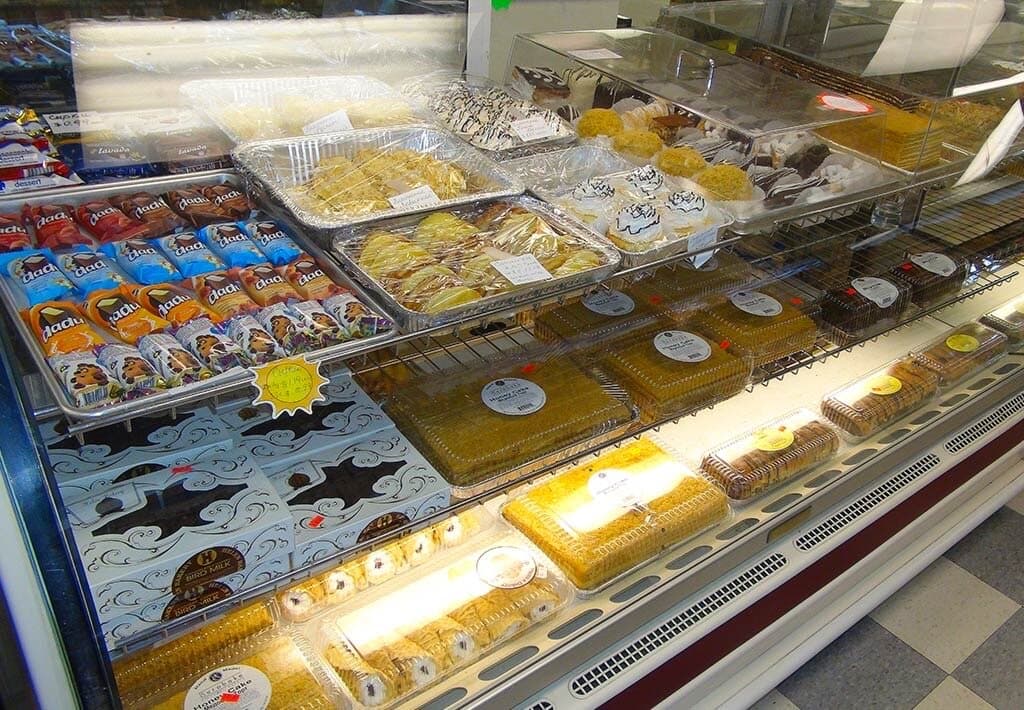
Looking for a Russian or European Bakery Near Vancouver, WA?
If you've searched for a Russian or Polish bakery near Vancouver or Battle Ground and come up short, here's the good news. Kalinka Euro Market stocks the fresh-baked breads, pirozhki, and honey cakes that make Eastern European baking so good.
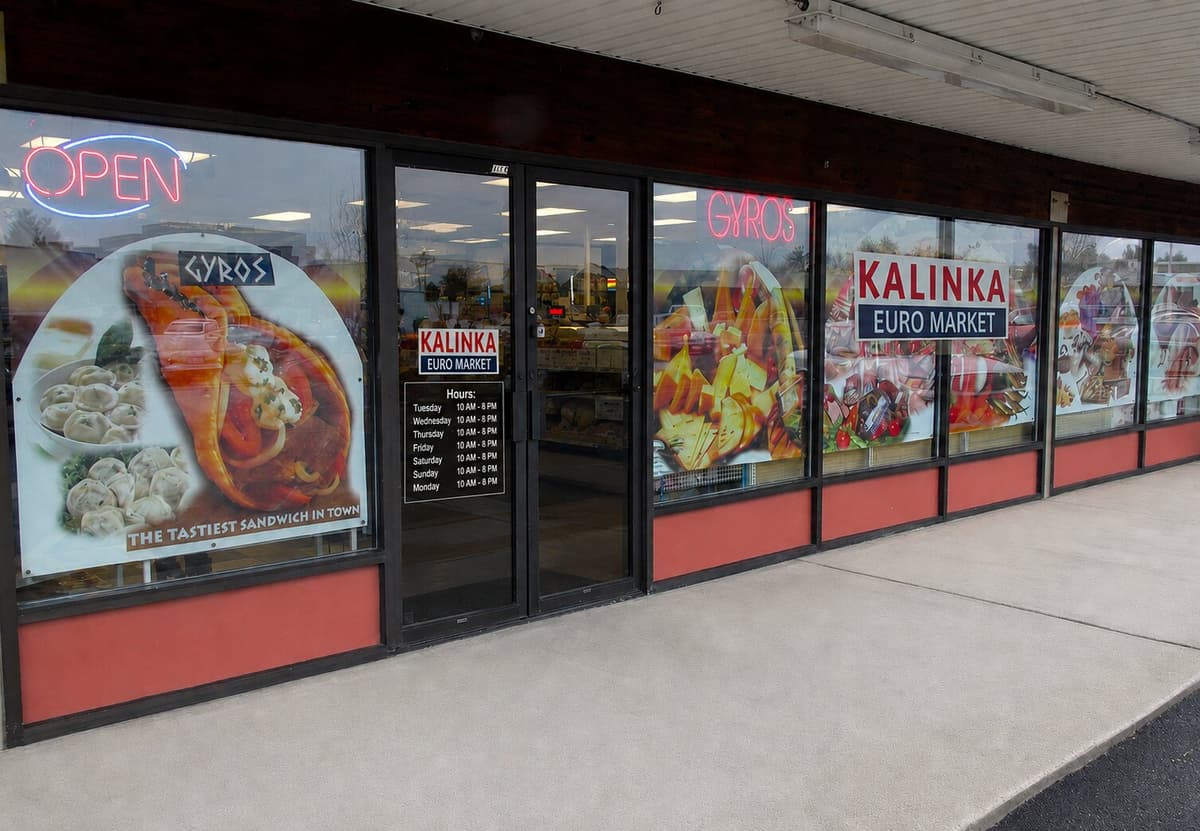
Your First Visit to Kalinka Euro Market: What to Try, What to Buy
Walking into a European grocery store for the first time can feel overwhelming. Here's exactly what to look for—and what regulars always grab—at Kalinka Euro Market in Battle Ground.
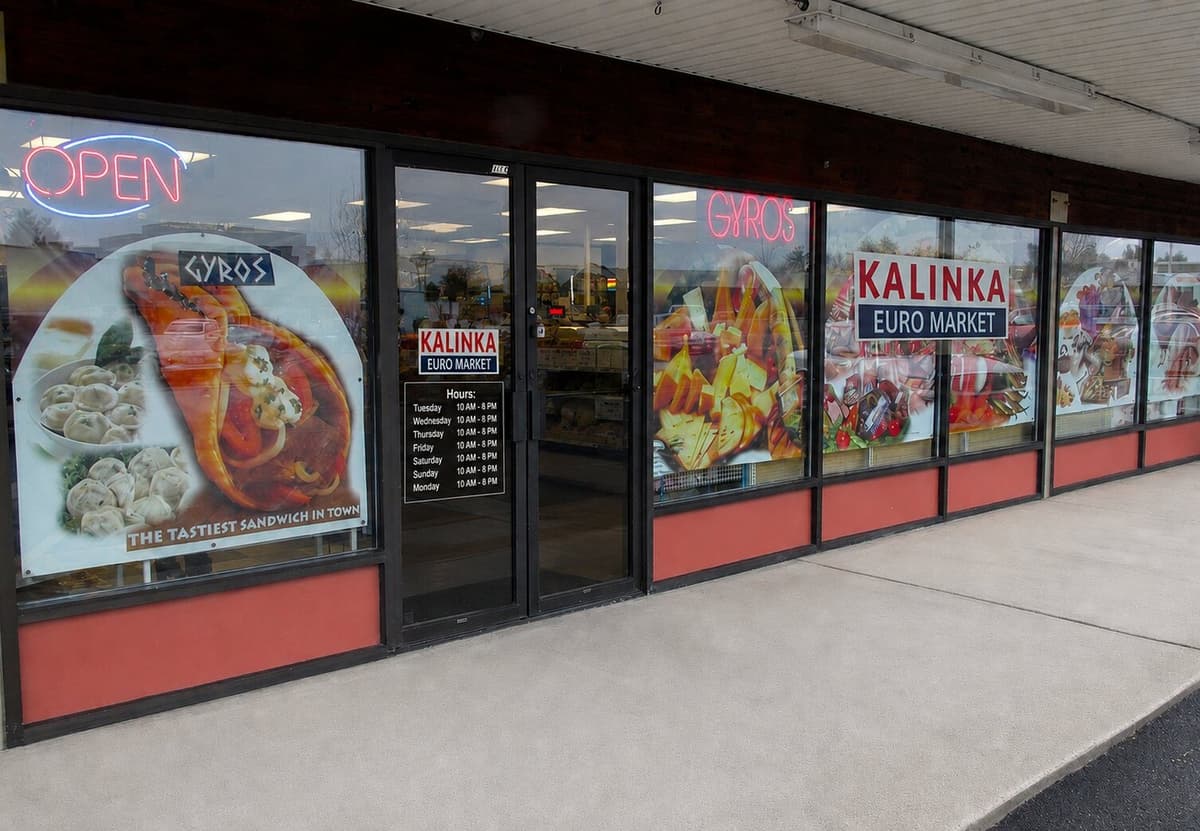
How to Find Kalinka Euro Market: Directions from Portland & Vancouver
Easy directions to Kalinka Euro Market from Portland, Vancouver WA, and surrounding areas. We're worth the drive for authentic European groceries.
Ready to Cook Something Delicious?
Visit Kalinka Euro Market for authentic Eastern European ingredients, fresh house-made pelmeni, and expert advice.