What is Kolbasa? Your Guide to Russian & Eastern European Sausages
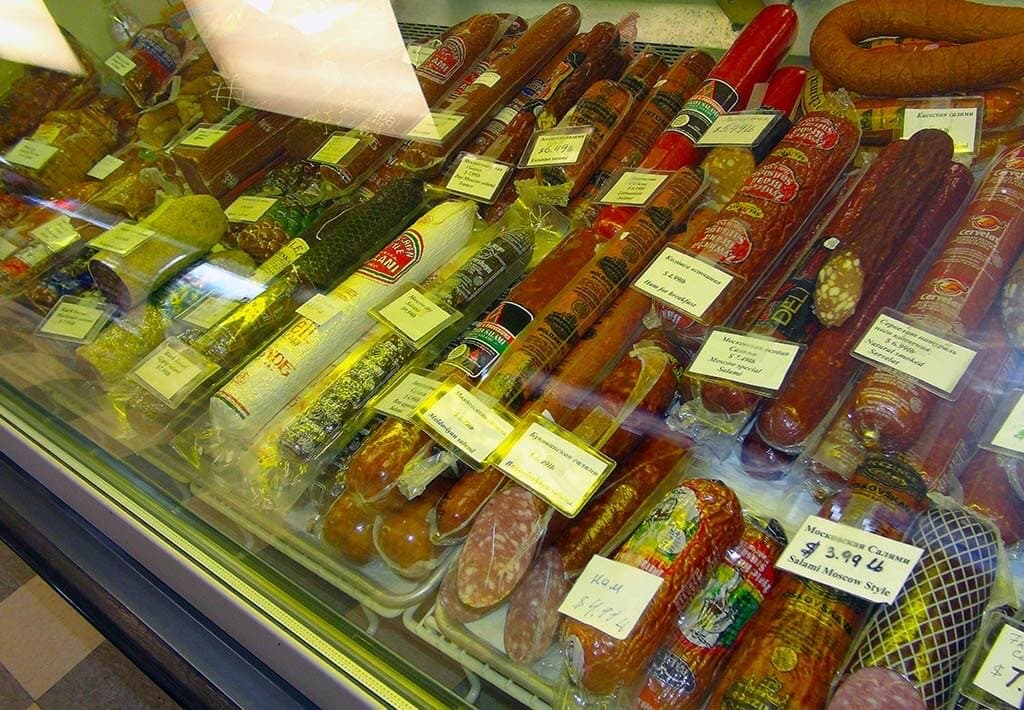
Kolbasa (колбаса) is the Russian word for sausage, but it represents far more than a simple translation. In Eastern European culture, kolbasa is an art form with dozens of varieties, each tied to a specific region, history, or meal tradition.
A Brief History of Kolbasa
The word "kolbasa" likely comes from Turkic languages, meaning "pressed on ashes" or "grilled cutlet." The word appears in Russian texts as early as the 12th century, though commercial sausage-making in Russia is usually traced to the 18th century.
During the Soviet era, kolbasa became a symbol of social status. The type on your table showed your standing — certain varieties were only available to party officials and elites. Ordinary workers might wait in line for basic sausage while the shelves sat empty. After the Soviet collapse, a full kolbasa counter became a symbol of abundance.
That history is part of why Eastern European immigrants feel something when they walk into a proper deli. It is not just food — it is a reminder of home and what was hard to get before.
Popular Types of Kolbasa
Doktorskaya (Докторская) — Doctor's Sausage
History: Created in 1936 on orders from the Soviet government. After years of famine, officials needed nutritious, easily digestible sausage for the recovering population. The name means "Doctor's Sausage" because physicians originally recommended it for patients.
Ingredients: 70% semi-fat pork, 25% lean beef, plus eggs and milk. No strong spices — the recipe was designed to be gentle on the stomach.
Taste: Smooth, mild, slightly sweet. Similar to high-quality bologna but more delicate and much less salty.
Best for: Sandwiches, breakfast plates, quick snacks for children
Krakovskaya (Краковская) — Krakow Sausage
Origins: Named after Krakow, Poland. It spread from Poland across Eastern Europe and became one of the most beloved smoked varieties.
Ingredients: Coarsely ground pork with visible fat, heavily smoked over natural wood
Taste: Semi-dry with robust smoky flavor and a satisfying coarse texture. Much more flavor than a standard smoked sausage from an American grocery store.
Best for: Cold cuts, beer snacks, charcuterie boards, sliced thin on dark bread
Servelat (Сервелат)
Dry-cured, smoked sausage similar to salami but with distinctly Eastern European seasonings — heavier on the smoke, less sharp than Italian varieties.
Best for: Sliced thin for sandwiches and appetizers, travel snacks, zakuski platters
Moskovskaya (Московская) — Moscow Sausage
Classic smoked sausage from the capital. Firm texture with bold, smoky flavor and a deep color from the smoke curing process.
Best for: Cold cuts, zakuski platters, sliced alongside pickled vegetables and rye bread
Kupaty (Купаты)
Fresh, uncooked sausages originating from Georgian cuisine. Seasoned with distinctly different spices — more aromatic, with hints of coriander and fenugreek. Must be cooked before eating.
Best for: Grilling outdoors, pan-frying until crisp, served with tkemali (Georgian plum sauce)
Kielbasa
Polish-style smoked pork sausage. Thicker than most Russian varieties, coarser grind, unmistakable garlic and marjoram flavor. Widely loved by both Eastern European and Polish communities.
Best for: Grilling, slicing hot or cold, adding to bean soups and stews
How to Serve Kolbasa
Traditional Eastern European style:
- Sliced thin on dark rye bread (Borodino bread is the best pairing) with mustard
- On zakuski platters with pickles, cheese, and sliced vegetables
- In solyanka soup — a thick, sour, smoky soup that uses multiple kolbasa varieties for depth
- On the breakfast table alongside fried eggs
Modern ways to use it:
- Chopped and added to pasta dishes with roasted vegetables
- Sliced into omelets with fresh herbs
- As a topping on flatbreads or pizza instead of pepperoni
- In hearty bean or potato stews
Cooking Methods by Type
- Doktorskaya and Servelat: Already cooked and cured — eat cold or slice onto warm dishes
- Krakovskaya and Moskovskaya: Best cold, can also be gently warmed
- Kupaty: Raw — must be pan-fried or grilled to an internal temperature of 160°F
- Kielbasa: Can be eaten cold, but pan-frying or grilling adds flavor
Storage Tips
- Vacuum-sealed, unopened: Refrigerate up to 3-4 weeks
- After opening: Wrap tightly in paper or wax wrap, use within 5-7 days
- Freezing: Most smoked varieties freeze well for 2-3 months without losing quality
- Fresh varieties (kupaty): Cook within 2 days of purchase or freeze immediately
How to Choose Quality Kolbasa
- Check color — Should look natural and muted, not artificially bright pink or red
- Read ingredients — Quality kolbasa lists specific meat first (pork, beef) with minimal fillers or starch
- Ask for a sample — Good delis will let you taste before you buy
- Check the casing — Natural casing indicates traditional methods and higher quality
Frequently Asked Questions
Is kolbasa the same as kielbasa? Kolbasa is the Russian/Ukrainian word for sausage in general. Kielbasa is the Polish word for the same concept. They overlap but are not identical — kielbasa refers to a specific Polish style, while kolbasa is a broader category. Both are sold at Kalinka.
Is kolbasa already cooked? Most types — Doktorskaya, Krakovskaya, Servelat — are fully cooked and smoked during production. You can eat them cold. Fresh varieties like Kupaty must be cooked through before eating.
Where can I buy authentic kolbasa near Portland or Vancouver WA? Regular grocery stores rarely carry genuine Eastern European kolbasa. Kalinka Euro Market stocks a full deli counter with doktorskaya, krakovskaya, smoked varieties, fresh kupaty, and kielbasa. All deli meats are sliced fresh to order.
Where to Find Us
Kalinka Euro Market 813 W Main St UNIT 110, Battle Ground, WA 98604 Open daily 10 AM – 8 PM 15 minutes from Vancouver WA, 25 minutes from Portland
Related Articles
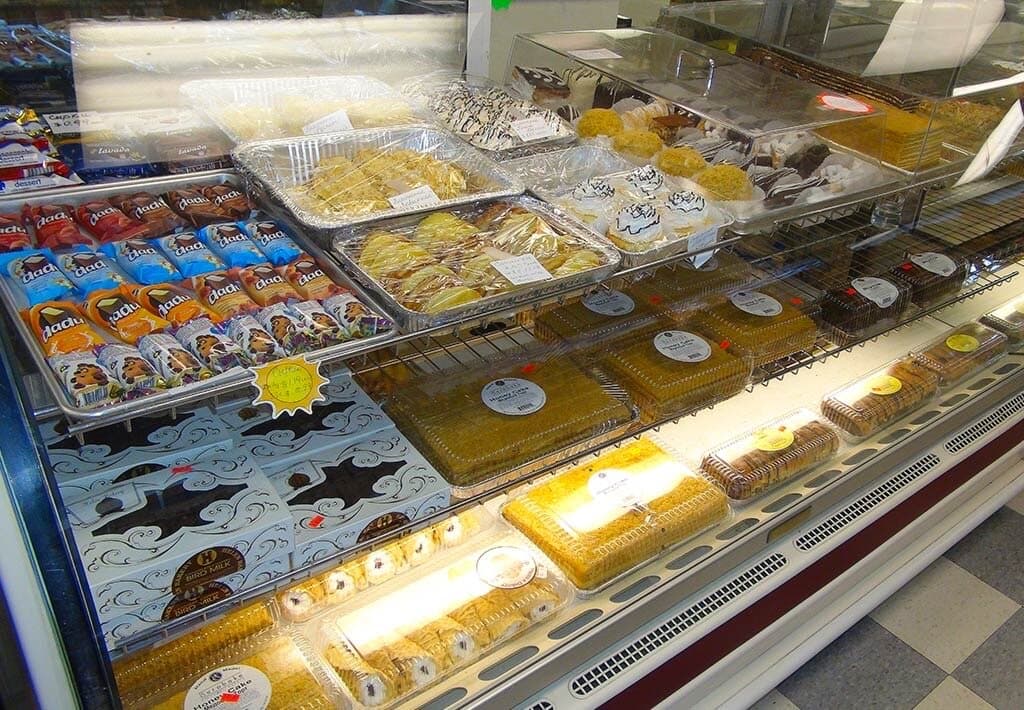
Looking for a Russian or European Bakery Near Vancouver, WA?
If you've searched for a Russian or Polish bakery near Vancouver or Battle Ground and come up short, here's the good news. Kalinka Euro Market stocks the fresh-baked breads, pirozhki, and honey cakes that make Eastern European baking so good.
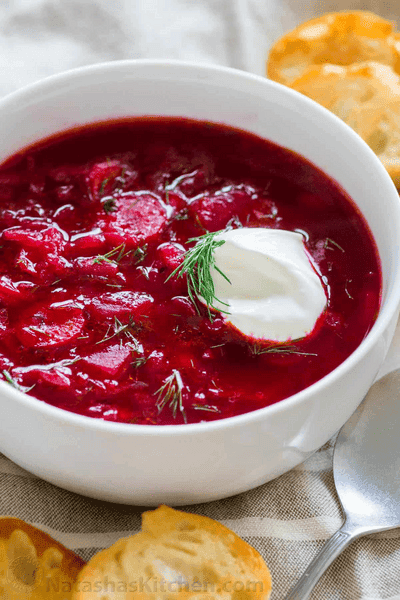
How to Make Authentic Borscht: The Classic Eastern European Beet Soup
Learn to make rich, vibrant borscht from scratch using traditional Eastern European methods. Step-by-step recipe with tips on keeping that beautiful deep red color.
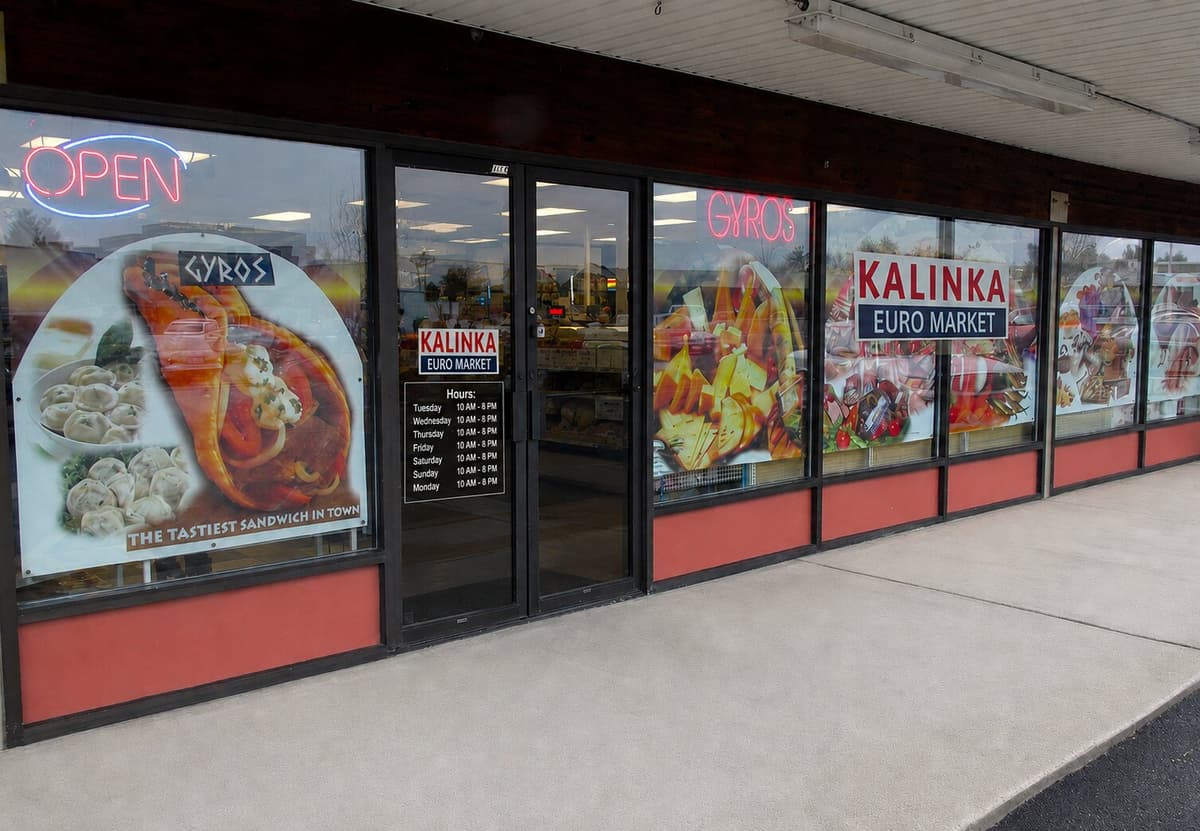
Your First Visit to Kalinka Euro Market: What to Try, What to Buy
Walking into a European grocery store for the first time can feel overwhelming. Here's exactly what to look for—and what regulars always grab—at Kalinka Euro Market in Battle Ground.
Ready to Cook Something Delicious?
Visit Kalinka Euro Market for authentic Eastern European ingredients, fresh house-made pelmeni, and expert advice.