The 4 Russian & Ukrainian Holiday Salads You'll See on Every New Year's Table
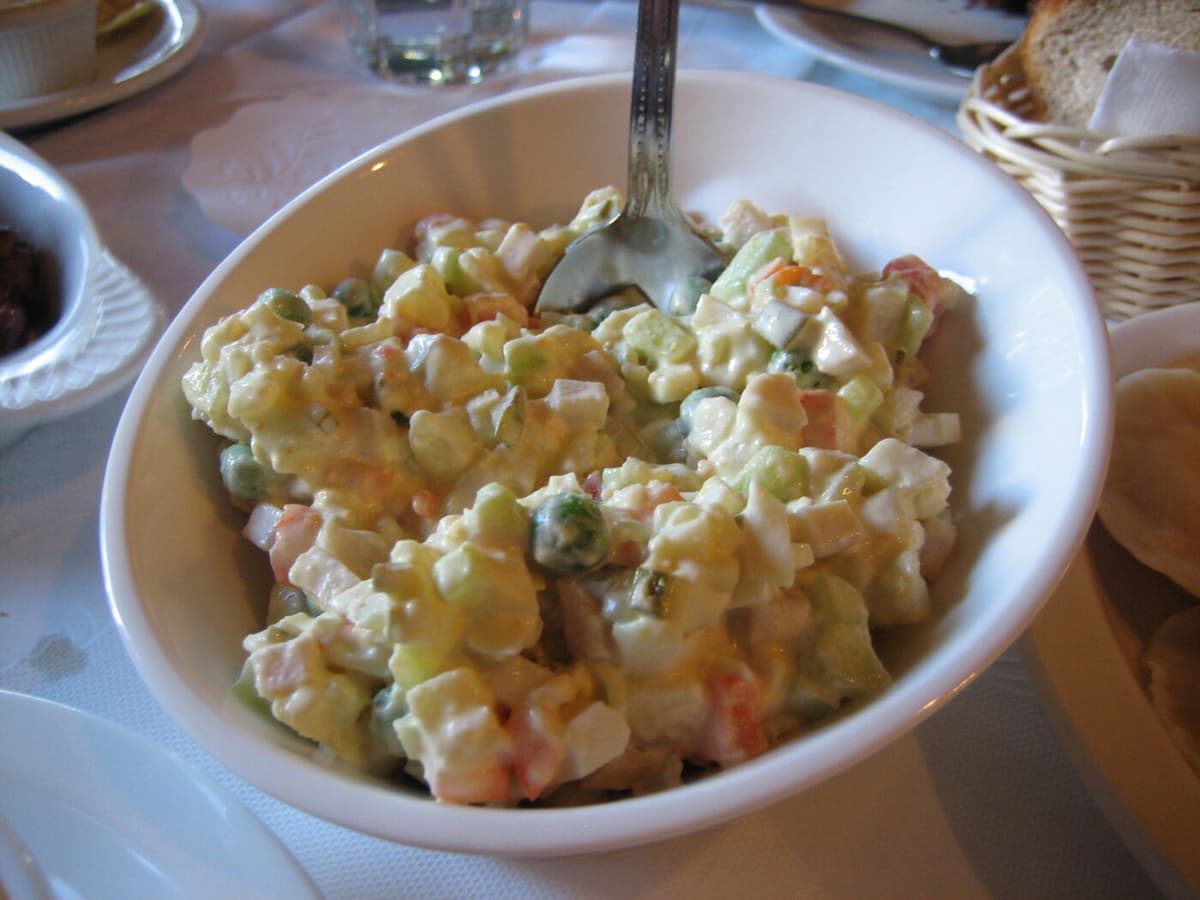
If you've ever spent New Year's Eve with a Russian, Ukrainian, or Eastern European family, you know the table looks a certain way. Tangerines, a bottle of something fizzy, and a row of salads in glass bowls that everyone fills their plate with again and again. These aren't side dishes you forget about. They're the main event.
Four salads show up the most: Olivier, Selyodka pod Shuboy, Vinegret, and Mimosa. Here's the story behind each one, what goes in it, and how to get them ready-made or make your own here in Battle Ground.
Olivier (Russian Potato Salad)
This is the king of the holiday table. Most Americans would call it a potato salad, but it's richer and more loaded than that.
It started in Moscow in the 1860s. A chef named Lucien Olivier ran the kitchen at the Hermitage restaurant, and his version was fancy stuff: grouse, veal tongue, crayfish tails, capers, and a dressing he kept secret until he died in 1883. Nobody got the full recipe.
During the Soviet years it changed into the version everyone knows now. The expensive ingredients got swapped for what people actually had at home: boiled potatoes, carrots, green peas, pickles, hard-boiled eggs, onion, and diced bologna or doctorskaya (doktorskaya) sausage, all folded together with mayonnaise. In Cyrillic it's Оливье. That simple version is what's on the table for New Year's in homes from Moscow to right here in Washington.
Selyodka pod Shuboy (Herring Under a Fur Coat)
The name sounds strange in English and it's just as funny in Russian: Селёдка под шубой, "herring under a fur coat." The "coat" is the layers of grated vegetables that bury the fish.
It's built in layers, usually in this order from the bottom up: salted herring with chopped onion, then grated boiled potato, then carrot, then egg, and finally grated beets on top, with mayonnaise spread between the layers. The beets soak through and turn the whole thing a deep pink-purple, which is why it looks so dramatic when you cut into it. Make it a day ahead so the flavors settle and the layers firm up. It's a fixture on the New Year's zakuski (appetizer) spread.
Vinegret
Vinegret (винегрет) is the lighter, brighter one, and it's the easy pick if you don't want mayonnaise on everything. It's a beet salad, so it comes out a bold ruby red.
It's made from diced boiled beets, potatoes, and carrots, plus onion, and then sauerkraut or brined pickles for tang. Some people add peas or beans too. Instead of mayo, it's dressed with oil and a splash of vinegar, which is where the name comes from. It likely came to Russia in the 1800s, borrowed from German or Scandinavian cooking, and it's been a staple ever since. It also happens to be naturally vegan, which is handy when the rest of the table is heavy.
Mimosa
Mimosa (мимоза) is the prettiest of the four. It got its name because the crumbled egg yolk on top looks like little yellow mimosa flowers scattered on snow.
It showed up in the Soviet Union in the early 1970s and it's another layered salad: canned fish (salmon or saury), grated boiled potato, carrot, egg whites, grated cheese, and onion, with mayonnaise between the layers. The finishing touch is grated egg yolk sprinkled over the top for that flower look. It's soft, mild, and a little fancy, which is why it earned a spot at celebrations.
Why These Come Out at New Year's
For a lot of families, these salads are New Year's. During Soviet times New Year's Eve became the big winter holiday, and these salads became the food that went with it. Now they carry memories of childhood and family kitchens, so people make them every year even when they live far from home. Whether you grew up with them or you're just curious, they're worth a try.
Get Them at Kalinka
Making all four from scratch takes a whole day, so we keep it simple. Our deli at Kalinka Euro Market carries these salads made fresh and ready to go, so you can grab a container and walk out. If you'd rather make your own, we stock everything you need: doctorskaya and bologna, canned green peas, real brined pickles, salted herring, beets, sauerkraut, and the right mayonnaise.
We're at 813 W Main St UNIT 110, Battle Ground, WA 98604, open every day from 10 AM to 8 PM. We're about 15 minutes from Vancouver WA and roughly 25 minutes from Portland OR, so it's an easy trip if you're stocking up for a holiday table or just want a taste of home. Call us at (360) 666-6919 if you want to check what's in the deli case today. Come by and see what's fresh.
Related Articles
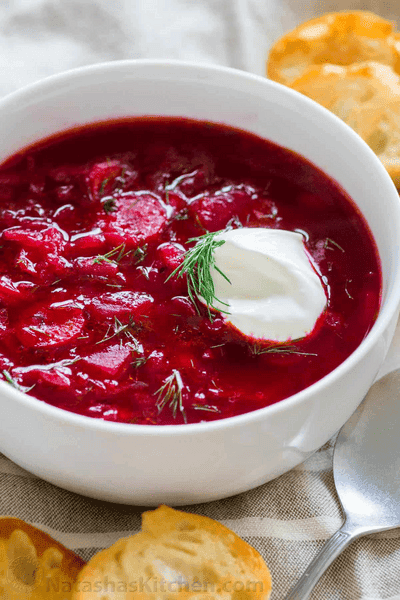
How to Make Authentic Borscht: The Classic Eastern European Beet Soup
Learn to make rich, vibrant borscht from scratch using traditional Eastern European methods. Step-by-step recipe with tips on keeping that beautiful deep red color.
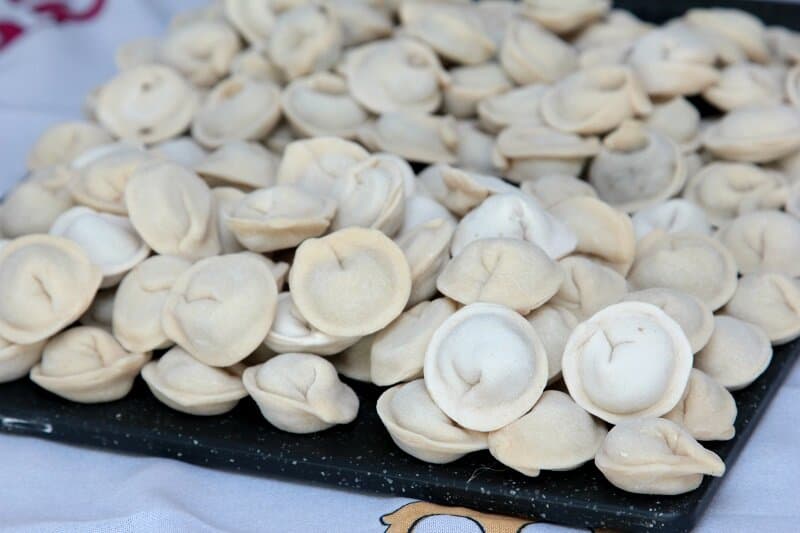
How to Cook Perfect Pelmeni: A Complete Guide
Master the art of cooking Russian pelmeni with our step-by-step guide. Learn traditional boiling, pan-frying, and serving methods used in Russian kitchens for generations.
Ready to Cook Something Delicious?
Visit Kalinka Euro Market for authentic Eastern European ingredients, fresh house-made pelmeni, and expert advice.