How to Host the Perfect Eastern European Dinner Party
Eastern European hospitality has one governing principle: the table should be full. Not pretentious — abundant. Guests should not leave hungry, and the food should be good enough to be talked about afterward. This guide covers how to host an Eastern European dinner party, from the zakuski spread to dessert.
The Eastern European Approach to Hosting
The meal structure is different from a typical American dinner party. There is no single starter course followed by a main course. Instead:
- Zakuski — an abundant appetizer spread that covers the table when guests arrive. Guests graze for 30-60 minutes.
- Soup — a warm bowl between the zakuski and main course. Often optional but traditional.
- Main course — usually one or two hearty dishes.
- Dessert — cake, pastries, tea.
The zakuski are where the effort shows. A well-set Eastern European appetizer table looks impressive and keeps guests satisfied while the main course is being finished.
Setting the Zakuski Table
No Eastern European gathering begins without zakuski. The spread can be simple or elaborate, but it should include at least one item from each category:
Pickled vegetables:
- Dill pickles — the cornerstone, must be present
- Pickled tomatoes
- Marinated mushrooms
- Sauerkraut in a small bowl
Cured meats and fish:
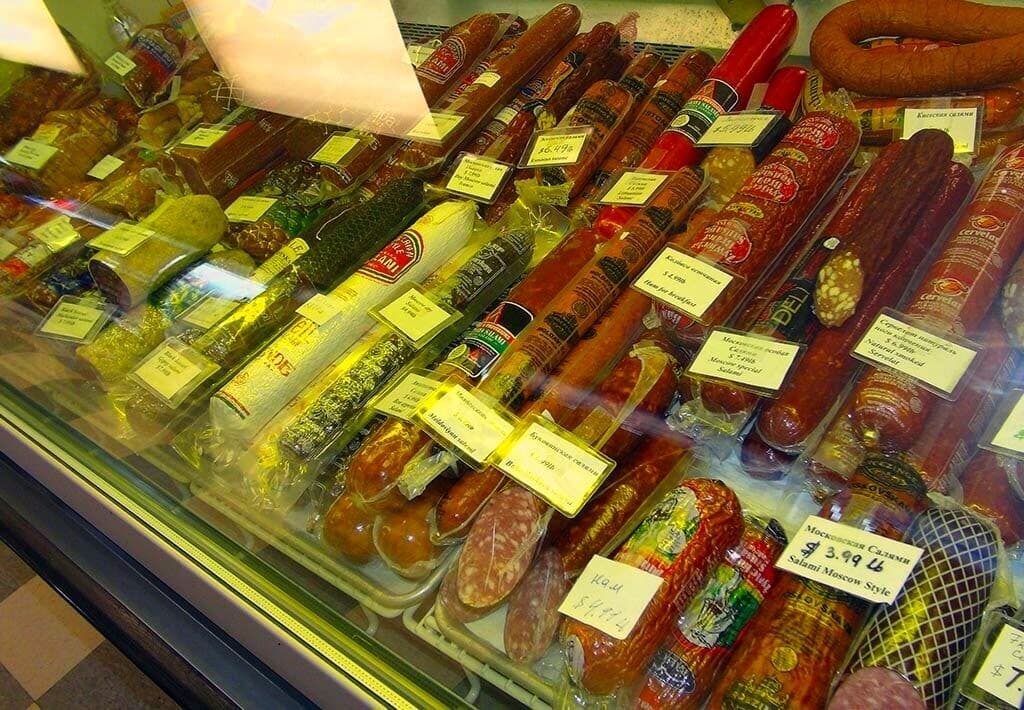
- Sliced kolbasa — doktorskaya (mild) and krakovskaya (smoked) as a pair
- Smoked herring or salmon
- Pâté, if you can find a good one
Cheeses and dairy:
- Brynza — crumbly, salty sheep's cheese, served in a small bowl or crumbled over a plate
- Tvorog mixed with herbs and a pinch of salt as a spread
- Smetana in a serving bowl
Bread:
- Borodino dark rye bread, sliced thin
- One softer bread option
Salads:
- Olivier salad (make a day ahead for best flavor)
- Vinegret — beet and potato salad with pickles and sunflower oil
- Simple cucumber-tomato salad with fresh dill and sunflower oil
Presentation: Arrange everything on platters and wooden boards with fresh dill, parsley, and lemon wedges. Smetana and pickles in small bowls. Keep it rustic and generous-looking — not minimalist.
Soup Course (Optional but Traditional)
Adding a soup course between zakuski and the main is traditional and gives guests a natural pause.
Borscht — the obvious choice. Deep red, hearty, and visually striking. Make it the day before — it improves overnight. Serve hot with a cold spoon of smetana and fresh dill.
Solyanka — a sour, smoky soup made from multiple kolbasa varieties, pickles, olives, and tomatoes. The most complex soup in Russian cuisine. Not for beginners to cook, but worth it.
Shchi — sour cabbage soup, simpler than borscht, traditional and satisfying in cold weather.
Main Course Options
Pelmeni or Vareniki
The easiest main course for a dinner party — minimal active cooking time, crowd-pleasing, and easy to scale for the number of guests.
To serve: Boil in salted water. Serve in a large bowl with a side of smetana, melted butter, fresh dill, and fried onions. Let guests top their own.
Time-saver: Buy house-made pelmeni from Kalinka. Boil fresh the day of. These are made in our store and are indistinguishable from homemade.
Golubtsi (Stuffed Cabbage Rolls)
Cabbage leaves filled with seasoned ground beef and rice, rolled and baked in a simple tomato sauce. Make 2-3 days ahead and refrigerate — they improve over time. Reheat slowly on the day.
Beef Stroganoff
Thin strips of beef in a rich mushroom and smetana sauce. Serve over egg noodles or mashed potatoes. Upscale feeling, straightforward to make in bulk, reheats well.
Chicken Kiev
Breaded chicken breast stuffed with compound butter. When cut at the table, the butter runs out — it makes an impression. Requires some technique but is worth it for a special occasion.
Drinks
Vodka (traditional): If you are serving vodka, serve it ice-cold (keep the bottle in the freezer). Use small glasses. The tradition is to toast before drinking, never to sip alone, and always to eat between rounds. The zakuski exist partly to accompany the drinking.
Russian sparkling wine (shampanskoe): A sweeter-style sparkling wine, traditional for toasts. Different from French Champagne — lighter, less complex, and appropriate for the meal.
Non-alcoholic:
- Kvass — fermented bread drink, works as a table beverage or a conversation piece for guests who haven't tried it
- Kompot — simple fruit drink made from dried or fresh fruit boiled with a little sugar. Light and refreshing as a non-alcoholic option.
- Mors — berry drink, made from cranberry or lingonberry juice. Tart and beautiful in color.
Desserts
Medovik (Honey Cake)
Layered honey sponge cake with smetana cream. The most beloved celebration cake in Russian households. Make it the day before — it needs overnight resting to soften the layers.
Napoleon Cake
Many thin crispy pastry layers alternating with custard cream. The Eastern European version of mille-feuille, denser and more substantial. Best bought from an Eastern European bakery if you are not comfortable making it.
Blini with Sweet Toppings
Thin pancakes served with smetana, jam, honey, or sweetened tvorog. Easy to make in volume. Guests can top their own blini at the table.
Preparing Ahead
Eastern European dinner parties are not improvised — they are prepared over several days. This is expected and part of the culture.
3 days before:
- Make Olivier salad and vinegret (both improve with time)
- Prepare golubtsi if serving
Day before:
- Slice and arrange cold cuts, cover and refrigerate
- Make Medovik or buy Napoleon cake
- Cook borscht if serving soup course
- Bake any bread items
Day of:
- Set the table a few hours ahead
- Arrange the zakuski spread 30-45 minutes before guests arrive
- Boil pelmeni fresh (15 minutes before serving)
- Bring salads to room temperature
Shopping at Kalinka for Your Dinner Party
Tell the staff you are hosting — they can help you select the right combination of items and suggest what is freshest.
Zakuski: Sliced kolbasa (ask for a mixed variety), pickled cucumbers, marinated mushrooms, Borodino bread, smetana, brynza
Main course: House-made pelmeni, smetana for serving
Drinks: Kvass, kompot
Dessert: Medovik or Napoleon cake if available, pirozhki with fruit for additional sweets
For larger orders or special requests, ask at the counter when you visit.
Kalinka Euro Market 813 W Main St UNIT 110, Battle Ground, WA 98604 Open daily 10 AM – 8 PM 15 minutes from Vancouver WA, 25 minutes from Portland
Related Articles
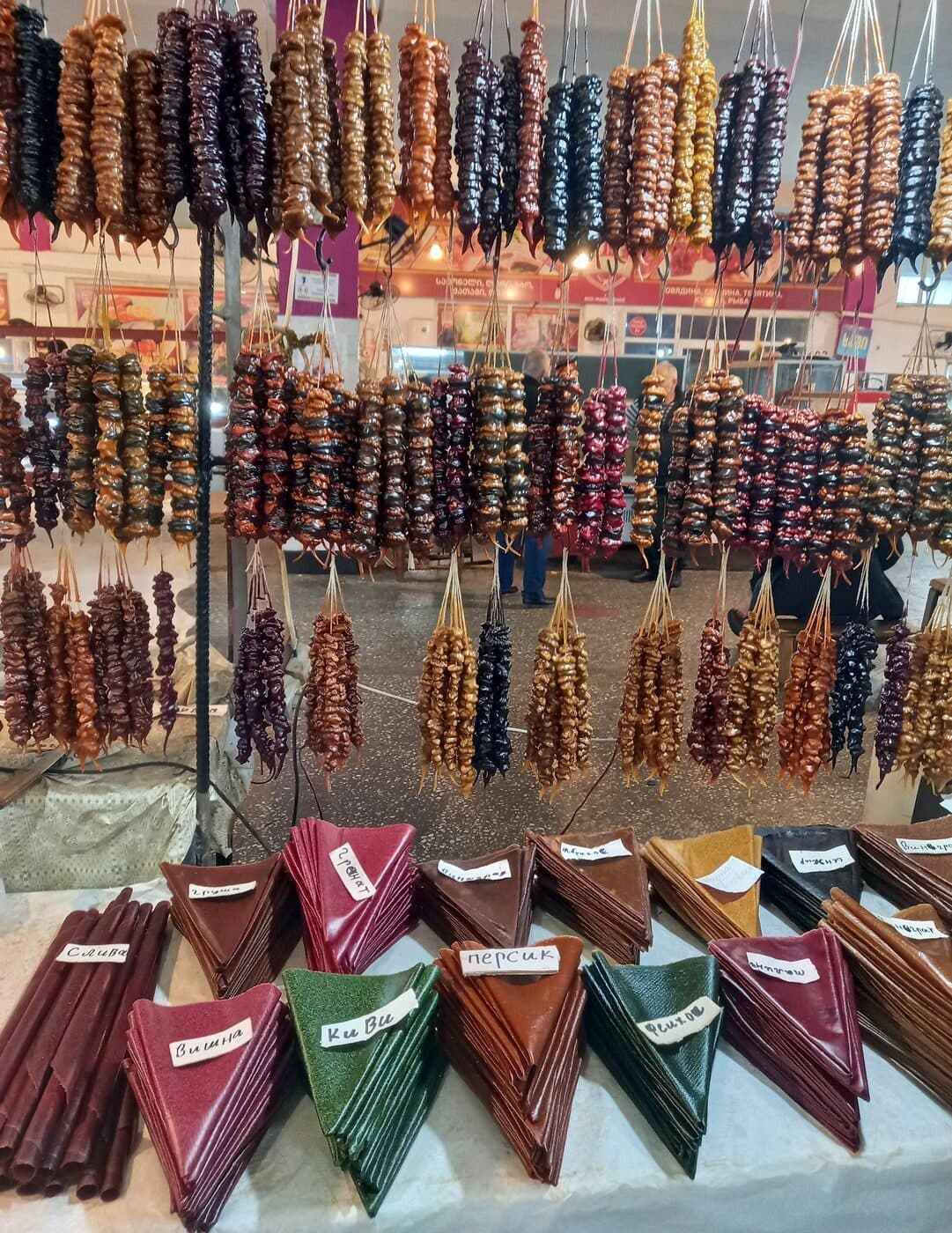
What Is Churchkhela? The Georgian "Candle Candy" You Can Find Near Portland
If you've ever seen what looks like colorful candles hanging in an Eastern European shop, that's churchkhela, a Georgian candy made from grape juice and walnuts. Here's what it is, how it's eaten, and where to find Georgian sweets near Vancouver and Portland.
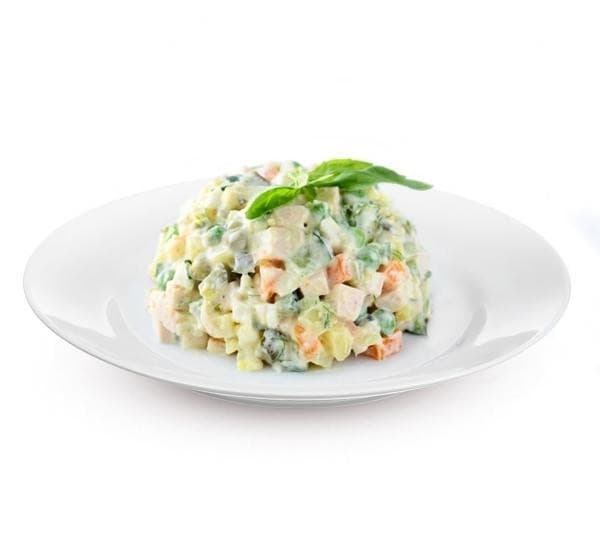
Traditional Russian New Year Foods & Recipes
Discover the foods that make Russian New Year celebrations special—from Olivier salad to herring under a fur coat. Plan your authentic celebration.
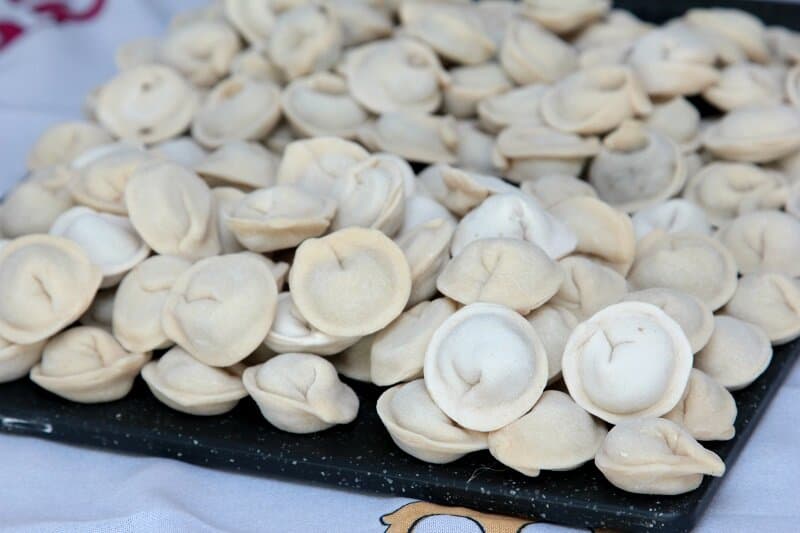
Spring and Easter Eastern European Foods: What to Get at Kalinka in 2026
Spring and Orthodox Easter are the most food-focused times in Eastern European culture. Here is what to look for at Kalinka Euro Market in Battle Ground for spring 2026 — from kulich to fresh pelmeni and seasonal produce.
Ready to Cook Something Delicious?
Visit Kalinka Euro Market for authentic Eastern European ingredients, fresh house-made pelmeni, and expert advice.