The Ultimate Guide to Eastern European Breads & Pastries
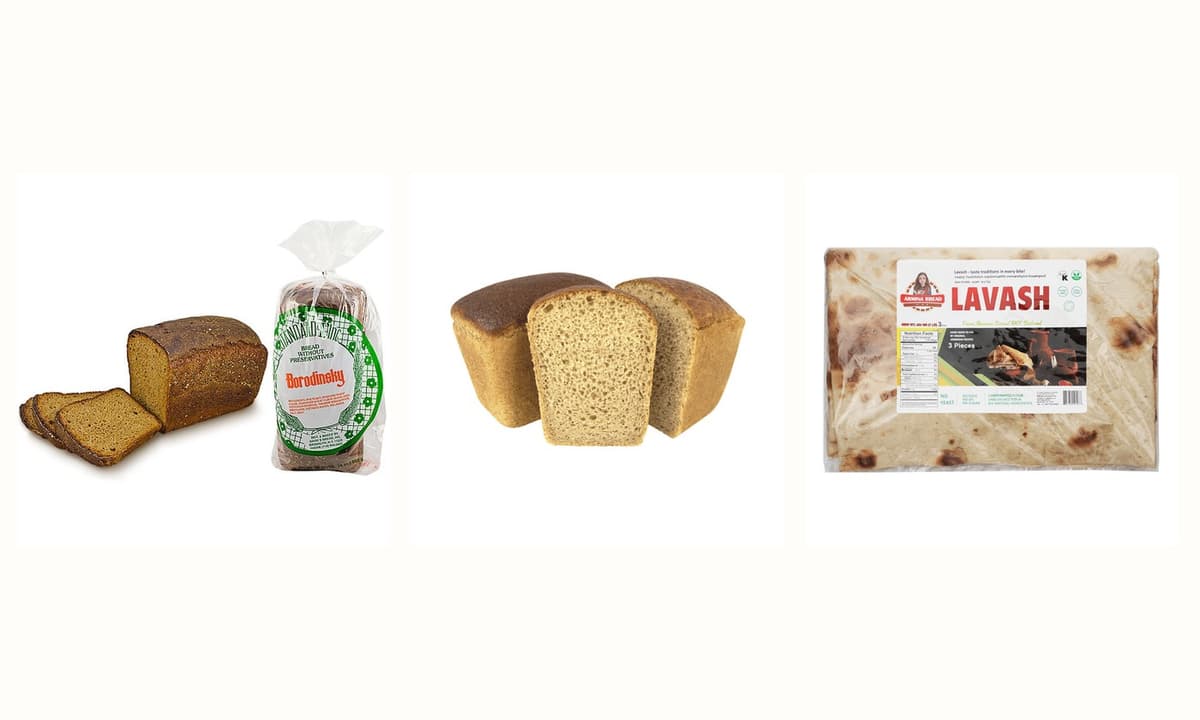
Bread holds a central place in Eastern European food culture in a way it no longer does in most Western countries. It is offered to guests as a sign of welcome — a tradition still observed at formal occasions where a host presents bread and salt. It appears at every meal. In Russian, the word for "hospitality" (хлебосольство, khlebosol'stvo) literally means "bread-and-salt."
The bread itself is fundamentally different from American bread. Eastern European baking traditions are built around rye, sourdough fermentation, and dense crumb — not light, fluffy white bread. The flavor is more complex, the texture more substantial, and the shelf life longer.
At Kalinka Euro Market in Battle Ground WA, we carry Eastern European breads and baked goods. Here is what they are, what they taste like, and how to eat them.
Traditional Breads
Borodinsky (Бородинский) — Dark Rye
Russia's most recognized bread. Dense, dark sourdough rye flavored with coriander and malted grain.
History: Named after the 1812 Battle of Borodino, though the actual modern recipe emerged in the 1920s-1930s Soviet era. The legend claims it was created by nuns at a monastery near the battlefield, with coriander seeds representing the grapeshot. The story is almost certainly apocryphal, but it has stuck.
Taste: Complex and distinctive. Slightly sweet from the malted grain, earthy and tangy from the long rye fermentation, with the coriander adding a subtle aromatic warmth. Nothing like American deli rye bread.
Best with:
- Butter only — lets the bread flavor come through
- Butter and good smoked herring — the classic pairing
- As a base for open-faced sandwiches with kolbasa or pâté
- Alongside borscht
The bread is dense enough that two thick slices with herring and butter is a complete lunch.
Black Bread (Чёрный хлеб)
A category rather than a specific recipe — dense, dark rye bread ranging in color from deep brown to nearly black. Staple in every Russian household. Less complex than Borodinsky but more accessible for everyday eating.
Characteristics:
- Dark brown to near-black crumb
- Firm, moist texture
- Slightly sour flavor from rye fermentation
- Long shelf life (keeps well for 4-5 days at room temperature)
Darnitsky (Дарницкий)
A lighter rye-wheat blend bread, less dark than Borodinsky. More approachable for people new to rye bread, with similar sourdough character but milder flavor.
Sushki and Bubliki
Sushki are small, very dry ring-shaped breads — essentially rye bread rings baked twice to remove all moisture. Eaten dry as a snack, dunked in tea, or alongside tea as a crunchy accompaniment. A staple Russian snack that is completely absent from American stores.
Bubliki are the larger, softer version — closer to a chewy bagel with poppy seeds. Eaten fresh, not dried.
Pastries and Baked Goods
Pirozhki (Пирожки)
Stuffed buns — either baked (golden crust, lighter) or fried (crispy exterior, richer). The most versatile and beloved Russian pastry. They are a meal, a snack, a packed lunch, or an appetizer depending on size.
Popular fillings:
- Meat and onion (ground beef or pork, simply seasoned)
- Mashed potato and onion (vegetarian, most popular overall)
- Braised cabbage (sweet and savory, underrated)
- Egg and rice (Ukrainian-style, lighter)
- Jam or fruit (sweet version, less common)
The fried version has a deeply satisfying crispy crust; the baked version is lighter and less rich. Pirozhki are a fresh product, and they sell out.
Vatrushka (Ватрушка)
Open-faced round buns with a sweet tvorog (farmer's cheese) filling in the center, often topped with raisins. Soft yeast dough base with the tvorog lightly sweetened. A classic Russian breakfast pastry.
Syrniki (Сырники)
Technically a pancake rather than a pastry — pan-fried tvorog cakes that are crispy on the outside and creamy inside. Made with tvorog, egg, a little flour, and sugar. Eaten for breakfast with smetana, jam, or honey. The home-cooked version is simple; the restaurant version is sometimes embellished with berry compotes.
Honey Cake (Medovik)
Layered honey sponge cake with smetana cream. The layers are baked thin, assembled with cream, and left overnight so the layers soften together into a nearly uniform creamy texture. The most common celebration cake in Russian households — the thing people bring to birthdays.
We carry Medovik when available from a local Eastern European baker.
Kulich (Кулич)
Traditional Orthodox Easter bread — tall, cylindrical, enriched with eggs, butter, citrus, and raisins. Topped with white royal icing. Appears once a year, around Orthodox Easter. In 2026, Orthodox Easter is April 12. Look for it in the weeks before Orthodox Easter.
Storage
Rye breads: Store at room temperature in a paper bag or cloth wrap for 3-5 days. They dry out rather than mold, so stale Borodinsky makes excellent toast. Freeze whole loaves for up to 3 months.
Pastries: Best eaten fresh. Pirozhki reheat well in a low oven (300°F, 10 minutes). Do not microwave — it makes the dough soft and ruins the crust.
Finding Eastern European Bread Near Portland and Vancouver
There is no mainstream grocery store in Clark County that carries Borodinsky, Darnitsky, or pirozhki. These products exist at Russian and Eastern European specialty stores only.
Kalinka Euro Market 813 W Main St UNIT 110, Battle Ground, WA 98604 Open daily 10 AM – 8 PM 15 minutes from Vancouver WA, 25 minutes from Portland (360) 666-6919
Related Articles
Looking for a Russian or European Bakery Near Vancouver, WA?
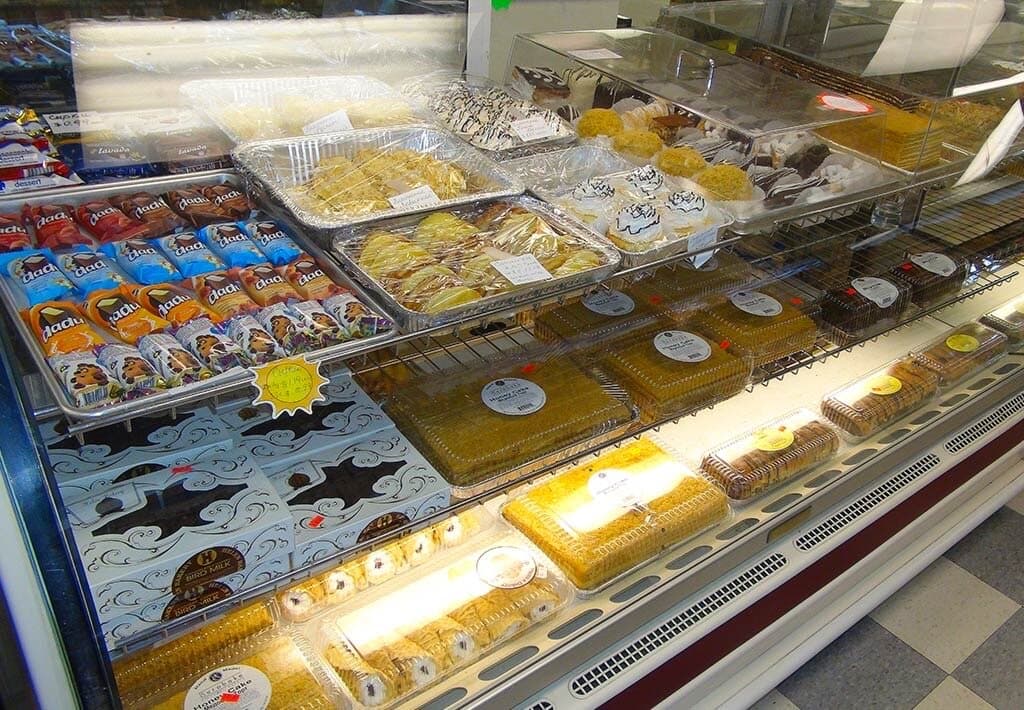
If you've searched for a Russian or Polish bakery near Vancouver or Battle Ground and come up short, here's the good news. Kalinka Euro Market stocks the fresh-baked breads, pirozhki, and honey cakes that make Eastern European baking so good.
Your First Visit to Kalinka Euro Market: What to Try, What to Buy
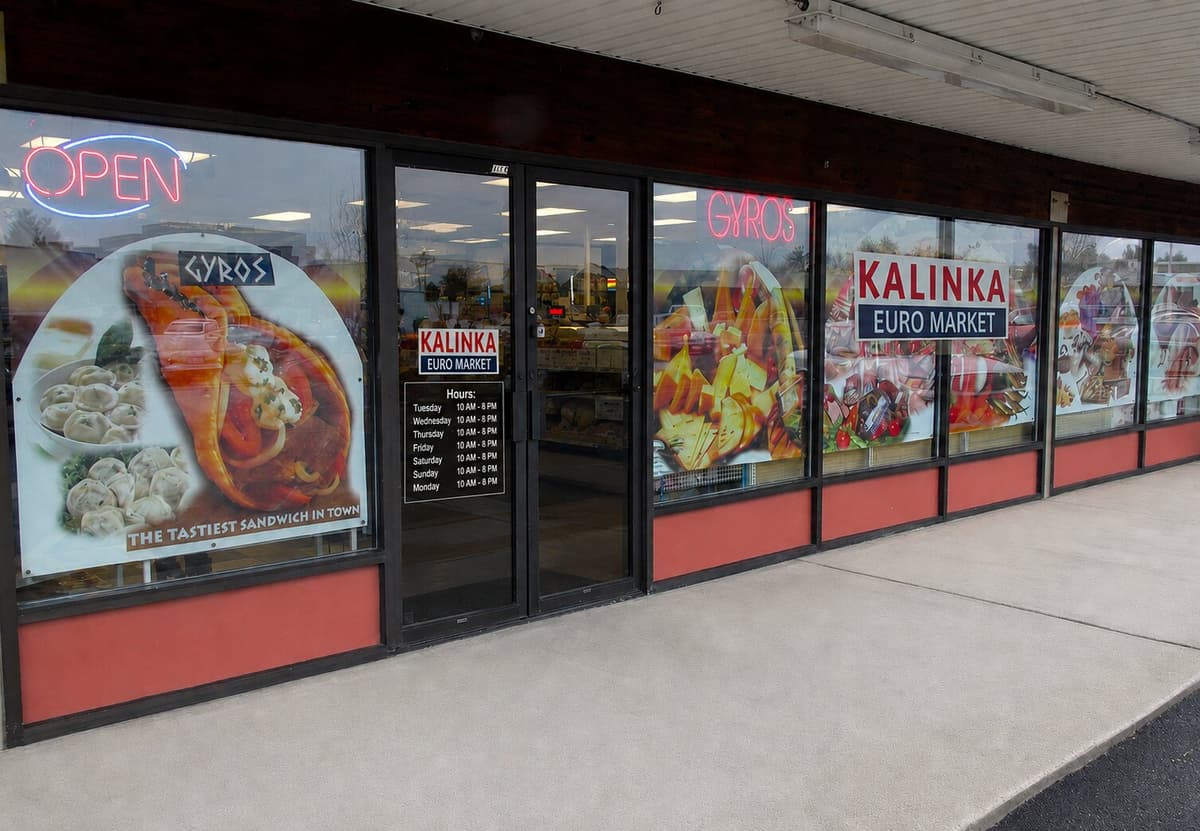
Walking into a European grocery store for the first time can feel overwhelming. Here's exactly what to look for—and what regulars always grab—at Kalinka Euro Market in Battle Ground.
How to Find Kalinka Euro Market: Directions from Portland & Vancouver
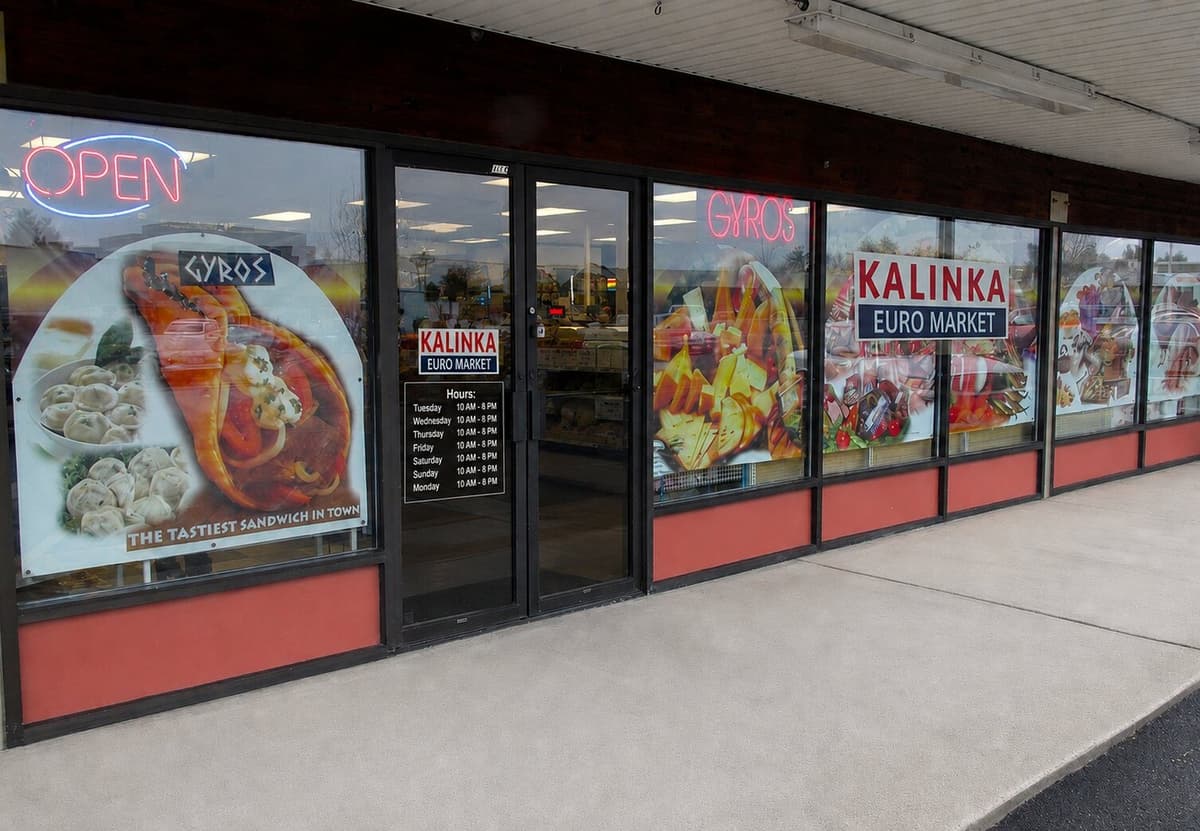
Easy directions to Kalinka Euro Market from Portland, Vancouver WA, and surrounding areas. We're worth the drive for authentic European groceries.
Ready to Cook Something Delicious?
Visit Kalinka Euro Market for authentic Eastern European ingredients, fresh house-made pelmeni, and expert advice.